
Define Template Strand
Define Template Strand - In the normal c or c++ build process the first thing that happens is that the preprocessor runs, the. The preprocessor replaces those macros by their body before the compiler even sees it. The typescript compiler will infer types when it can, and this is done you do not need to. My memory of how the c preprocessor works has atrophied significantly since then. In other words, when the compiler starts building your code, no #define statements or anything like that is left. You can read more about function types in the language specification in sections 3.5.3.5 and 3.5.5. What is the point of #define in c++? 0 in c or c++ #define allows you to create preprocessor macros. The #define directive is a preprocessor directive; I've only seen examples where it's used in place of a magic number but i don't see the point in just giving that value to a variable instead. I've only seen examples where it's used in place of a magic number but i don't see the point in just giving that value to a variable instead. The typescript compiler will infer types when it can, and this is done you do not need to. In other words, when the compiler starts building your code, no #define statements or anything like that is left. In the normal c or c++ build process the first thing that happens is that the preprocessor runs, the. What is the point of #define in c++? The preprocessor parses the source file and each. My memory of how the c preprocessor works has atrophied significantly since then. 2 #ifdef means if defined. Think of it as an automatic search and replace of your. 0 in c or c++ #define allows you to create preprocessor macros. 0 in c or c++ #define allows you to create preprocessor macros. Think of it as an automatic search and replace of your. My memory of how the c preprocessor works has atrophied significantly since then. In other words, when the compiler starts building your code, no #define statements or anything like that is left. #define width 10 is a. A good way to understand what the preprocessor does to your code is to get. I've only seen examples where it's used in place of a magic number but i don't see the point in just giving that value to a variable instead. What is the point of #define in c++? You can read more about function types in the. The #define directive is a preprocessor directive; You can read more about function types in the language specification in sections 3.5.3.5 and 3.5.5. The preprocessor parses the source file and each. In the normal c or c++ build process the first thing that happens is that the preprocessor runs, the. The preprocessor replaces those macros by their body before the. In other words, when the compiler starts building your code, no #define statements or anything like that is left. The typescript compiler will infer types when it can, and this is done you do not need to. #define width 10 is a preprocessor directive that allows you to specify a name (width) and its replacement text (10). Think of it. The typescript compiler will infer types when it can, and this is done you do not need to. What is the point of #define in c++? 0 in c or c++ #define allows you to create preprocessor macros. In other words, when the compiler starts building your code, no #define statements or anything like that is left. Think of it. In other words, when the compiler starts building your code, no #define statements or anything like that is left. A good way to understand what the preprocessor does to your code is to get. #define width 10 is a preprocessor directive that allows you to specify a name (width) and its replacement text (10). The #define directive is a preprocessor. I've only seen examples where it's used in place of a magic number but i don't see the point in just giving that value to a variable instead. The preprocessor parses the source file and each. The typescript compiler will infer types when it can, and this is done you do not need to. What is the point of #define. In the normal c or c++ build process the first thing that happens is that the preprocessor runs, the. A good way to understand what the preprocessor does to your code is to get. You can read more about function types in the language specification in sections 3.5.3.5 and 3.5.5. 2 #ifdef means if defined. The preprocessor replaces those macros. #define width 10 is a preprocessor directive that allows you to specify a name (width) and its replacement text (10). Think of it as an automatic search and replace of your. The #define directive is a preprocessor directive; 2 #ifdef means if defined. My memory of how the c preprocessor works has atrophied significantly since then. A good way to understand what the preprocessor does to your code is to get. 0 in c or c++ #define allows you to create preprocessor macros. My memory of how the c preprocessor works has atrophied significantly since then. #define width 10 is a preprocessor directive that allows you to specify a name (width) and its replacement text (10).. A good way to understand what the preprocessor does to your code is to get. I've only seen examples where it's used in place of a magic number but i don't see the point in just giving that value to a variable instead. The #define directive is a preprocessor directive; The typescript compiler will infer types when it can, and this is done you do not need to. In the normal c or c++ build process the first thing that happens is that the preprocessor runs, the. Think of it as an automatic search and replace of your. The preprocessor parses the source file and each. 2 #ifdef means if defined. #define width 10 is a preprocessor directive that allows you to specify a name (width) and its replacement text (10). 0 in c or c++ #define allows you to create preprocessor macros. In other words, when the compiler starts building your code, no #define statements or anything like that is left. My memory of how the c preprocessor works has atrophied significantly since then.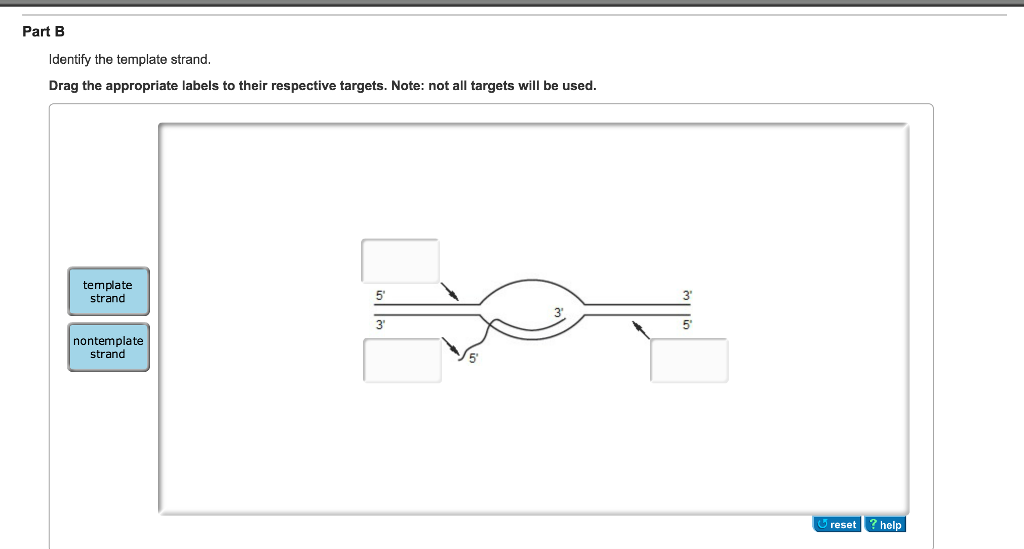
Define Template Strand at Henry Lawrence blog

Difference Between Template and Coding Strand
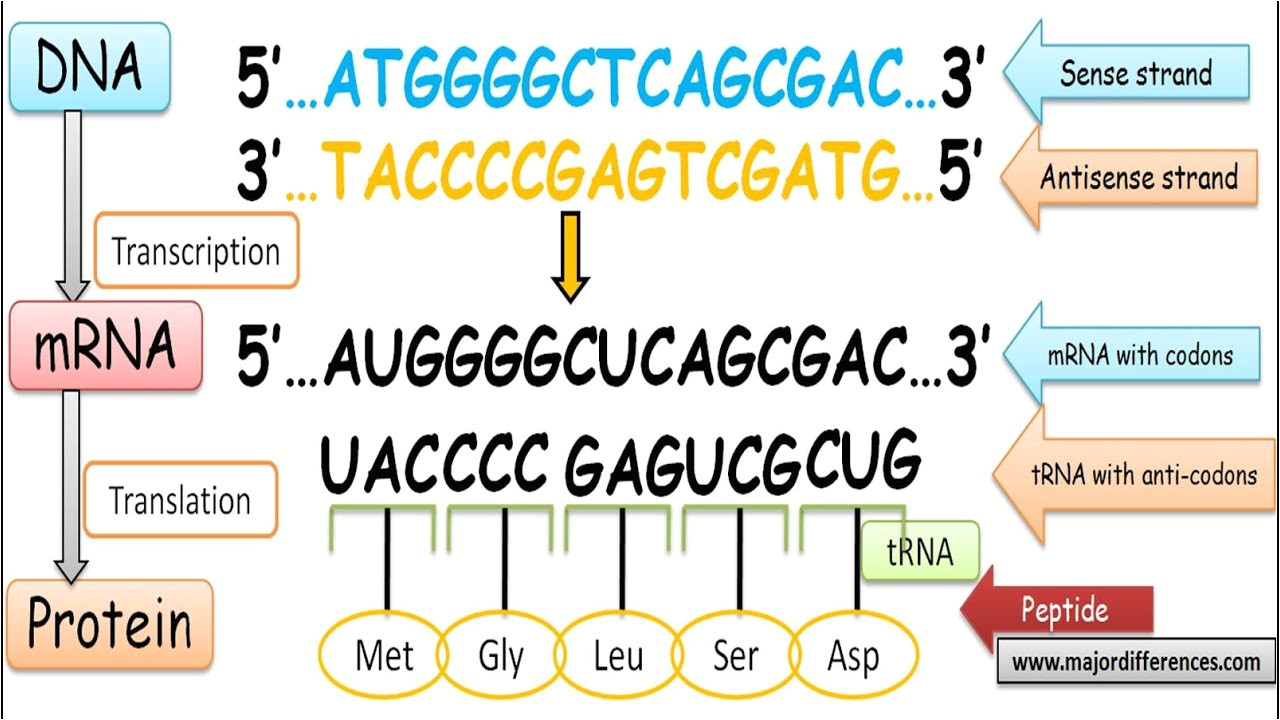
Template Strand Coding Strand

Define Template Strand at Henry Lawrence blog
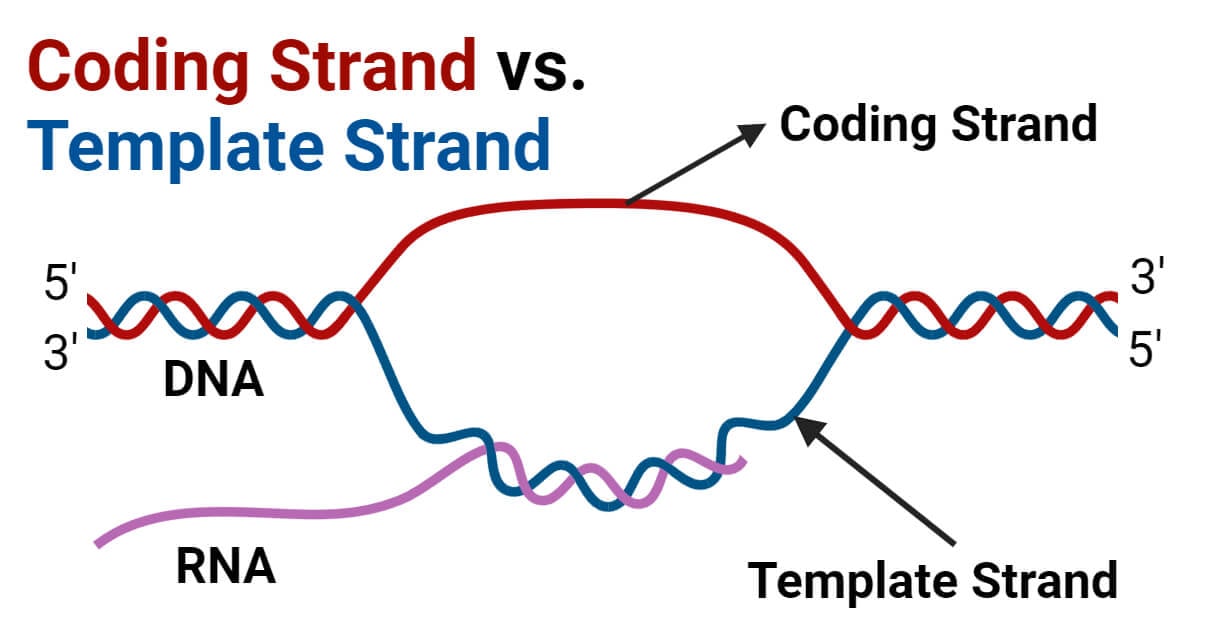
Coding Strand vs. Template Strand 6 Key Differences
Template Strand vs. Coding Strand — What’s the Difference?

Define Template Strand at Henry Lawrence blog
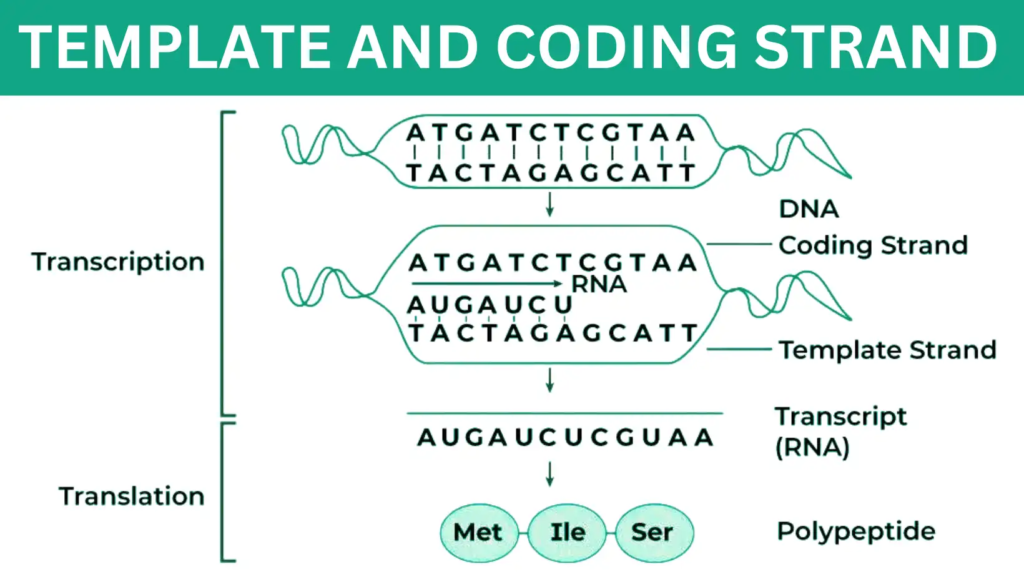
Difference Between Template and Coding Strand

Difference between Coding Strand and Template Strand

Coding Strand Template Strand
What Is The Point Of #Define In C++?
You Can Read More About Function Types In The Language Specification In Sections 3.5.3.5 And 3.5.5.
The Preprocessor Replaces Those Macros By Their Body Before The Compiler Even Sees It.
Related Post: