
Withdrawal Slip Template
Withdrawal Slip Template - Be aware of and learn how to deal with withdrawal symptoms such as feelings of depression and anxiety. Thinking of quitting drugs or alcohol? Withdrawal is a psychological and physical reaction that occurs when someone stops or reduces the intake of a substance or the engagement in a behavior they have. Withdrawal is a constellation of aversive symptoms—ranging from anxiety, tremors (“the shakes”), and nausea to hallucinations and frank seizures—brought on by the sudden stoppage or. Understanding the complex interplay of. They are often physical in nature, with nausea, muscle aches,. Withdrawal symptoms are reactions that occur when the body is adjusting to the absence of a substance it has become dependent on. Withdrawal represents a critical phase in addiction recovery characterized by significant neurochemical and psychological changes. Withdrawal is the combination of physical and mental symptoms a person experiences after they stop using or reduce their intake of a substance such as alcohol and. This article will define what. Withdrawal is the combination of physical and mental symptoms a person experiences after they stop using or reduce their intake of a substance such as alcohol and. Withdrawal is your body's response when you suddenly stop using a certain substance, such as alcohol, nicotine, marijuana, medications, or other drugs. This article will define what. They can be physical, emotional, or both. Thinking of quitting drugs or alcohol? Withdrawal is a psychological and physical reaction that occurs when someone stops or reduces the intake of a substance or the engagement in a behavior they have. Withdrawal is a constellation of aversive symptoms—ranging from anxiety, tremors (“the shakes”), and nausea to hallucinations and frank seizures—brought on by the sudden stoppage or. This article provides 17 strategies to help. Withdrawal symptoms occur when someone with a substance use disorder attempts to stop taking them. Withdrawal happens when you cut off or cut back on the use of addictive substances, such as alcohol, nicotine, caffeine, and cannabis. Withdrawal symptoms are reactions that occur when the body is adjusting to the absence of a substance it has become dependent on. Withdrawal is a psychological and physical reaction that occurs when someone stops or reduces the intake of a substance or the engagement in a behavior they have. This article provides 17 strategies to help. Thinking of quitting drugs. Withdrawal symptoms are reactions that occur when the body is adjusting to the absence of a substance it has become dependent on. Withdrawal happens when you cut off or cut back on the use of addictive substances, such as alcohol, nicotine, caffeine, and cannabis. Withdrawal is a psychological and physical reaction that occurs when someone stops or reduces the intake. Withdrawal is the combination of physical and mental symptoms a person experiences after they stop using or reduce their intake of a substance such as alcohol and. Withdrawal is your body's response when you suddenly stop using a certain substance, such as alcohol, nicotine, marijuana, medications, or other drugs. Withdrawal represents a critical phase in addiction recovery characterized by significant. Withdrawal is a constellation of aversive symptoms—ranging from anxiety, tremors (“the shakes”), and nausea to hallucinations and frank seizures—brought on by the sudden stoppage or. Withdrawal is your body's response when you suddenly stop using a certain substance, such as alcohol, nicotine, marijuana, medications, or other drugs. Withdrawal happens when you cut off or cut back on the use of. This article will define what. Understanding the complex interplay of. Thinking of quitting drugs or alcohol? Withdrawal is the combination of physical and mental symptoms a person experiences after they stop using or reduce their intake of a substance such as alcohol and. They can be physical, emotional, or both. Withdrawal represents a critical phase in addiction recovery characterized by significant neurochemical and psychological changes. Withdrawal is the combination of physical and mental symptoms a person experiences after they stop using or reduce their intake of a substance such as alcohol and. Withdrawal is a constellation of aversive symptoms—ranging from anxiety, tremors (“the shakes”), and nausea to hallucinations and frank. Withdrawal is your body's response when you suddenly stop using a certain substance, such as alcohol, nicotine, marijuana, medications, or other drugs. This article provides 17 strategies to help. Withdrawal is a constellation of aversive symptoms—ranging from anxiety, tremors (“the shakes”), and nausea to hallucinations and frank seizures—brought on by the sudden stoppage or. This article will define what. Withdrawal. They can be physical, emotional, or both. Withdrawal happens when you cut off or cut back on the use of addictive substances, such as alcohol, nicotine, caffeine, and cannabis. Withdrawal is the combination of physical and mental symptoms a person experiences after they stop using or reduce their intake of a substance such as alcohol and. Withdrawal represents a critical. Withdrawal is the combination of physical and mental symptoms a person experiences after they stop using or reduce their intake of a substance such as alcohol and. Withdrawal represents a critical phase in addiction recovery characterized by significant neurochemical and psychological changes. Withdrawal symptoms occur when someone with a substance use disorder attempts to stop taking them. They can be. This article will define what. Withdrawal is the combination of physical and mental symptoms a person experiences after they stop using or reduce their intake of a substance such as alcohol and. They can be physical, emotional, or both. They are often physical in nature, with nausea, muscle aches,. Withdrawal is a constellation of aversive symptoms—ranging from anxiety, tremors (“the. This article will define what. Withdrawal symptoms occur when someone with a substance use disorder attempts to stop taking them. Withdrawal represents a critical phase in addiction recovery characterized by significant neurochemical and psychological changes. Understanding the complex interplay of. Withdrawal is a psychological and physical reaction that occurs when someone stops or reduces the intake of a substance or the engagement in a behavior they have. This article provides 17 strategies to help. Withdrawal happens when you cut off or cut back on the use of addictive substances, such as alcohol, nicotine, caffeine, and cannabis. They are often physical in nature, with nausea, muscle aches,. Be aware of and learn how to deal with withdrawal symptoms such as feelings of depression and anxiety. Withdrawal is a constellation of aversive symptoms—ranging from anxiety, tremors (“the shakes”), and nausea to hallucinations and frank seizures—brought on by the sudden stoppage or. They can be physical, emotional, or both. Withdrawal is your body's response when you suddenly stop using a certain substance, such as alcohol, nicotine, marijuana, medications, or other drugs.
Sample Check Deposit Slip Withdrawal Slip
Activity Withdrawal Slip PDF

Withdrawal
Cash Breakdown Slip, Cash Withdrawal Slip, Bank Teller Slip, Cash
Withdrawal Slip PDF Passbook Banks
Sample Withdrawal Slip PDF
WITHDRAWAL SLIP PDF
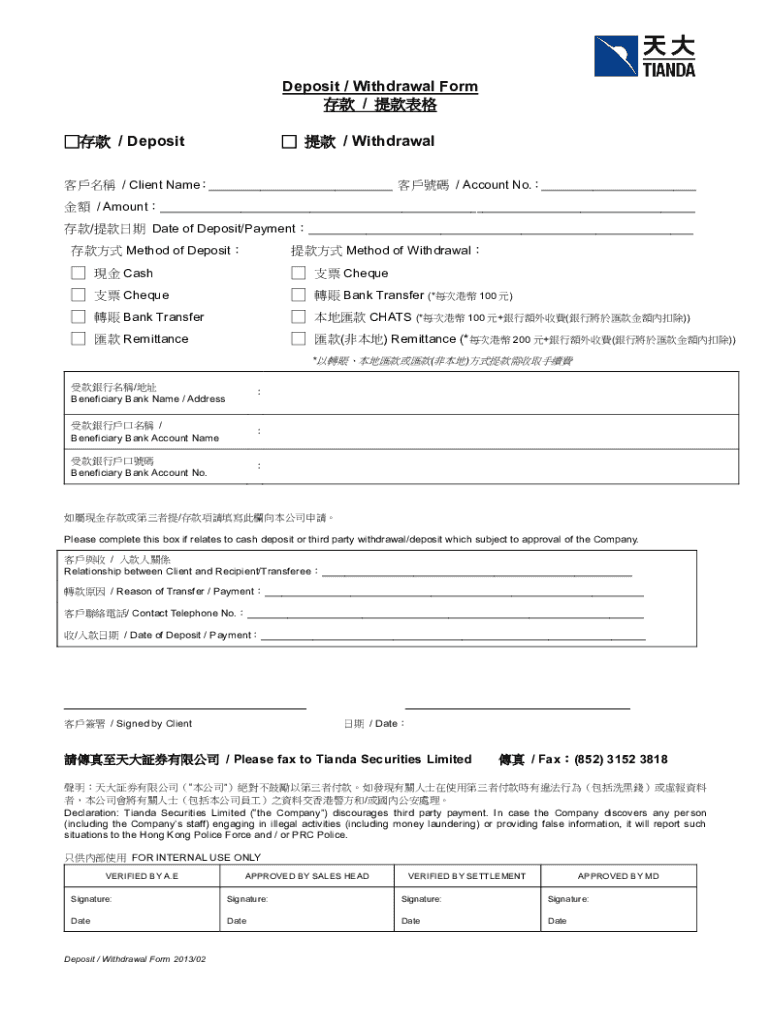
Fillable Online Printable Deposit and Withdrawal Slip Template Excel

Withdrawal Slip Template Best Templates Resources
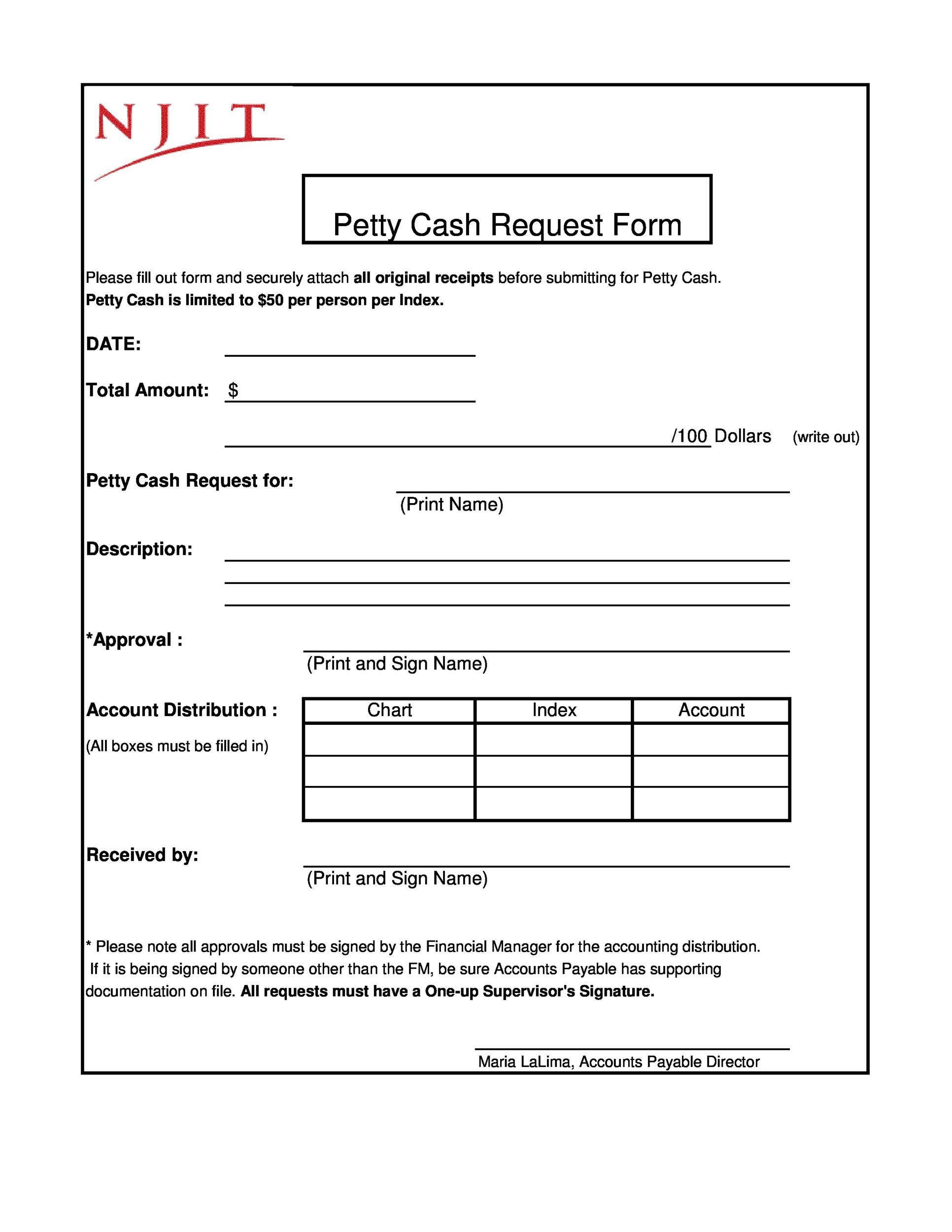
Contoh Withdrawal Slip 53+ Koleksi Gambar
Withdrawal Symptoms Are Reactions That Occur When The Body Is Adjusting To The Absence Of A Substance It Has Become Dependent On.
Withdrawal Is The Combination Of Physical And Mental Symptoms A Person Experiences After They Stop Using Or Reduce Their Intake Of A Substance Such As Alcohol And.
Thinking Of Quitting Drugs Or Alcohol?
Related Post:


